
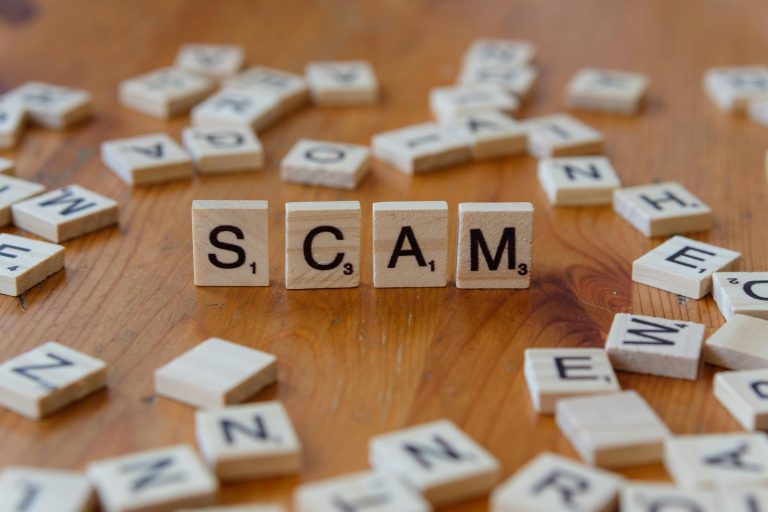
20.887 billion dollars.
That’s the figure for losses reported to the Federal Bureau of Investigations (FBI) Internet Crime Complaint Center in 2025, according to the FBI’s recently released 2025 Internet Crime Report. It’s a staggering number and $275,110,419 million of those losses are in the category of “real estate,” which includes costly scams that target buyers and sellers alike.
The report also detailed losses by state, and California took the top spot in terms of number of complaints (116,414) as well as total amount lost ($3,674,716,305).
So, what does this all mean for you — the would-be buyer, seller or investor in Los Angeles County? It means more than ever, you should know the types of popular real estate scams and how to avoid them.
WIRE FRAUD
Imagine this: You’re about to wire a significant amount of money and you receive wiring instructions via email coming from a name you recognize. You follow the instructions, send the money and just like that, it’s gone. Wire fraud has become increasingly sophisticated and it’s so important to educate yourself about ways of mitigating its effects. Here are just a few:
- Confirm your wiring instructions on the phone or in person. Once you receive wiring instructions, even if it’s from a source you recognize and trust, call the source directly or visit the office and double check (or triple check) the wiring instructions before any funds are transferred.
- Check the email of your recipient and the URLs. Secure URLs begin with “https” and emails should match exactly to the email you have on file.
- Be careful not to download any files or click on links unless you are sure they are coming from a secure sender.
- Even if you’re using a secure portal or following strict protocols to receive the wiring instructions, it’s best practice to call your verified contacts directly to confirm these payment instructions.
- Be wary of any communication you receive that directs you to “change” the wire transfer information.
Remember, you don’t have to wire alone! Even after you’ve verified wiring instructions, if you’re still feeling wary about the wire transfer, visit your trusted bank and work with a professional who can help walk you through the process.
PREDATORY LENDING
Often targeting seniors, predatory lenders convince borrowers to take out a new loan or reverse mortgage on property. If you or someone you know is in a situation where a loan seems “too good to be true,” it just might be! Always work closely with financial professionals and a trusted real estate advisor to decide on the best next steps for your long-term real estate plan and goals. As a Berkshire Hathaway HomeServices Senior Specialist and designated Senior Real Estate Specialist® (SRES®), I work closely with my clients to help them and their family members feel confident in every decision they make while educating them about expectations and best practices along the way.
IMPERSONATORS
With AI becoming more and more prevalent, it’s easier than ever to “fake” who you are. Impersonator scams can involve buyers, sellers and even real estate professionals who … aren’t. Fake buyers lure in sellers with all-cash offers then scam them into sending them money when they’ve accidentally sent too much. Fake sellers and landlords list properties without authorization to do so, often asking for upfront payment for the property to rent or buy.
If you own a property for rent, add the address to a Google Alert, which may help catch if someone fraudulently lists it for rent. As for sellers and buyers, verify ownership with known records and work with your real estate professional to vet the other party involved in the transaction and to book in-person showings of a property before making any decisions or sending money.
DEED FRAUD
Deed fraud is when a bad actor obtains a fraudulent deed for a property. Then, they’ll attempt to rent it out, sell it or take out loans on the property. Targets of this type of fraud are vacant homes, homes owned free and clear and investment or vacation properties. Through public records, the fraudsters obtain information on the home and get to work creating a fake deed.
Always check in with your local county records office to verify the owner of record. Safeguard your personal information as best as possible and consider buying title insurance to protect against this type of fraud. If you get a strange notice for a mortgage you didn’t initiate, or if your tax bills stop arriving, you should look into your local database to ensure the protection of your property.
The best way to protect yourself is to collaborate with an experienced, skilled real estate professional who will have a vetted, trusted network of home services professionals you can rely on throughout the transaction and beyond. I like to think of myself as a real estate consultant, helping you not only during a sale but also during those critical in-between moments when you need a professional by your side to offer sound guidance, support and advice. If you have any questions about best practices to combat the rising threat of cybercrimes and real estate scams, get in touch. I’d be happy to explain more about the safeguards my team and I have in place to help ensure a smooth, successful transaction, always.
–
Andrew Manning • REALTOR® • Berkshire Hathaway HomeServices California Properties • DRE: 00941825 • 818-380-2147 • andrew@andrewmanning.com