
A few weeks ago, I wrote a blog series about the latest sophisticated real estate scams (see the posts here and here), and we’re back with another edition and two more fraudulent scenarios you need to know. Please share this post with friends, colleagues in the real estate industry and clients. Together, we can help eachother stay safe and avoid dangerous, costly situations.
Scam No. 1: The Zoom Buyer
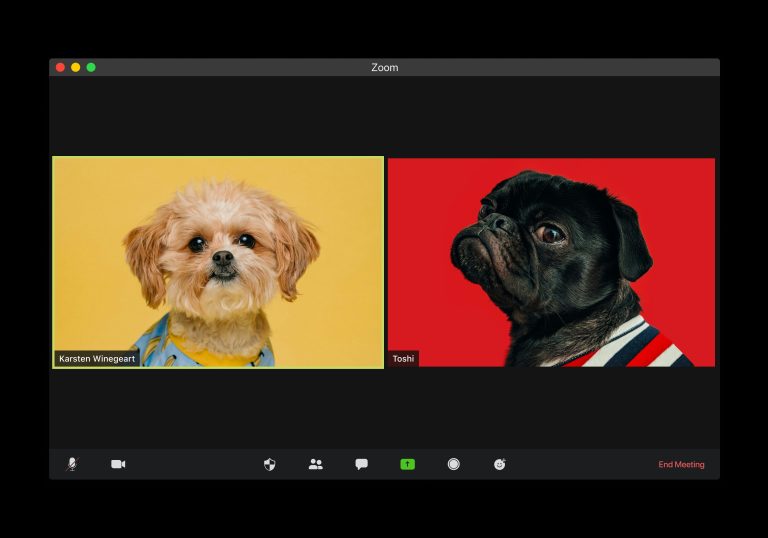
This is a scam that could cost an agent their license and a buyer their downpayment. Here’s how it works: A buyer reaches out about a listing, appearing absolutely desperate to see it ASAP. They don’t have much time, they want to move fast but what you don’t know is they’re sending the exact same message to dozens of agents to see who will bite first.
“Sure, I’d be happy to show you the property,” an agent might say.
The buyer responds with an excuse—their schedule is tight, they’re out of town, anything—and requests instead to meet via Zoom or Google Hangout. And that’s when the real trouble begins.
If you click on that meeting link, the “buyer” now gains access to your computer and email, which they’ll use to send wiring instructions to your clients that are entirely fake. This scam has cost people six-figures in losses and in some cases, the agent’s licence is at risk simply by clicking a link.
How to Mitigate Risks:
Always ask to speak on the phone and refuse any Zoom or Google Hangout meeting with a buyer who reaches out. Most times, this will be enough to deter the fake buyer.
If a buyer sounds suspiciously desperate to see a property right away, make sure you slow down the conversation, verify their identity, check their preapproval letter if they have one and even do a google search on their name.
Scam No. 2: AI Seller Impersonation
American Land Title Association just released a 2026 report that found seller impersonation fraud has more than doubled since 2024, with fraudsters using AI to forge documents or steal the identities of property owners in order to get buyers to wire money to their accounts. AI deep fakes can clone voices, create videos in your likeness and write AI emails that mimic the tone and style of a title company.
How to Mitigate Risks:
In better news, the same study also found that 87% of these scams can be caught with ID verification, multifactor authentication and other curative measures. Never rely on email correspondence or even video correspondence to verify any personal or financial information. Always get on the phone, call the number you find on the official company website or verify the seller’s identity with a licensed real estate professional.
If you’d like to talk about how we mitigate risks while working with buyers and sellers, let’s chat! I offer a complimentary real estate safety consultation to review possible risks and how to avoid them!
–
Andrew Manning • REALTOR® • Berkshire Hathaway HomeServices California Properties • DRE: 00941825 • 818-380-2147 • andrew@andrewmanning.com